
The Best FPV Drones for 2026: From Beginner to Expert
Looking to get into FPV drone flying, or maybe you’re ready to upgrade your current setup? The FPV drone landscape has evolved dramatically, and finding the best FPV drones for your skill level and flying style can feel overwhelming. Whether you’re interested in freestyle flying, cinematic shots, or pure racing performance, 2026 offers some seriously impressive options that’ll make your head spin.
The good news? You don’t need to build your own drone anymore (though some of us still love tinkering). Pre-built bind-and-fly drones have become so refined that they fly just as well as anything a seasoned builder could construct. Plus, they’re often cheaper thanks to economies of scale. The better news? We’ve tested the current market and narrowed down the absolute best performers for every budget and flying style.
Before we dive in, let’s be real: FPV isn’t a spectator sport. You’re going to want real flying time before dropping serious cash. But we’ll walk you through exactly what makes each drone special, where to grab one, and what flying style each one excels at.
Why 2026 Is the Golden Age for Beginner FPV Drones
The FPV market has matured to a point where beginners actually have legitimate, quality options that won’t leave you frustrated. Five years ago? You basically had to either build your own quad or drop serious cash on premium bind-and-fly setups. Today, the sweet spot between affordability and performance has never been better.

The biggest shift has been the standardization around DJI’s O4 Pro camera and video transmission system. This isn’t just a minor upgrade—it’s a generational leap in image quality and range. You’re getting 4K recording, 10-bit D-Log color grading, and a stable 1080p live feed that lets you fly with confidence. And it doesn’t cost as much as it used to.
Beginner FPV drones in 2026 come in a few flavors: BNF (bind-and-fly) drones that come pre-built and tuned, complete starter kits that include everything from goggles to chargers, and for the brave souls, DIY kits where you build it yourself. Most beginners should start with BNF—you’ll be in the air within an hour, and that’s worth its weight in gold.
Best Budget Freestyle Drones: Maximum Performance Without Breaking the Bank
iFlight Nazgul Eco DC5 O4 Pro – The Best Overall Value

If you’re asking “what FPV drone should I buy?” and you’re not made of money, the answer is probably the Nazgul Eco. This thing has become the gold standard for a reason. It’s the Goldilocks of drones: not too expensive, not too cheap, and absolutely rips when you point it at the sky.
The Nazgul Eco comes with the DJI O4 Pro system pre-installed, which means you’re getting that beautiful stabilized 4K footage right out of the box. The deadcat frame geometry (props stay out of your camera view) makes it perfect if you’re planning to record anything worth sharing. The XING-E Pro 2207 motors paired with the 55A ESC deliver smooth, responsive flight without being twitchy. It’s tuned well from the factory, so you can literally unbox it, bind it to your radio, charge a battery, and fly.
Flight time sits around 7.5 minutes with a 6S 1400mAh battery, which is solid for aggressive freestyle flying. The motors have that nice hollow steel shaft design—durable enough to handle crashes, which you will have.
Best for: Beginners who want professional video quality without paying professional drone prices.
GEPRC Vapor D5 O4 Pro – The Performance Underdog

Oscar Liang (one of the most respected reviewers in FPV) calls the Vapor D5 the best balance of value and performance among 5″ DJI O4 drones. That’s not hyperbole. This drone sits right next to the Nazgul Eco in terms of price, but it somehow manages to feel more refined.
The frame design is slick with that orange accent that looks way more expensive than it is. The 5mm carbon fiber arms are chunky and durable, and the aluminum camera mount with CNC machining shows GEPRC actually cares about build quality. The SPEEDX2 2107.5 motors are a smart choice—they’re responsive without being squirrelly. Pair that with the Gemfan 5136 props, and you’ve got a smooth, predictable flying experience.
The DC (deadcat) and X geometry options let you choose between cinematic “no props in view” flying or traditional freestyle handling. Both versions fly equally well, just depends on what you’re trying to accomplish. Flight time is similar to the Eco, around 14-19 minutes if you’re cruising gently, but realistically 3-4 minutes when flying hard.
Best for: Pilots who want a slightly more premium feel without paying premium prices. Great if you value smooth, predictable flight characteristics.
Best Premium Option: When You Want the Best of Everything
GEPRC Mark5 O4 Pro – The Refined Flyer

If budget allows and you want to step up, the Mark5 O4 Pro is where it’s at. Think of it as the Vapor D5’s older, wealthier sibling who went to boarding school and has impeccable manners.
The F722 flight controller is faster and handles more parameters than the budget options. The 2107.5 1960KV motors deliver a bit more oomph while staying efficient. The big difference is the overall polish—this drone comes with GPS module options, Bluetooth tuning via mobile app, and an aluminum mounting system that just feels premium. The factory tune is tighter, the frame tolerance is tighter, and everything just works.
You’re paying extra for reliability and attention to detail rather than raw performance. The Mark5 isn’t faster than the Eco, but it’ll feel more dialed in from day one.
Best for: Experienced pilots upgrading from budget gear, or beginners with the budget who want the “best practice” from day one.
Best Cinewhoops for Indoor/Smooth Flying
BetaFPV Aquila20 HD – Complete Ready-to-Fly Kit

Want to go digital HD without the learning curve? The BetaFPV Aquila20 HD kit is the full monty—drone, goggles, radio, batteries, charger, everything. This is the “pull it out of the box and fly” RTF drones that exists in the FPV world.
The game-changer here is the new ArtLink P1 HD system. You’re getting 1080p@60fps video with around 60ms latency and a 400m range. For a small whoop, that’s ridiculous performance. The flight time hits around 10 minutes, which is genuinely impressive for a ducted quad. The 2S batteries keep it nimble, and the three flight modes (including beginner-friendly angle mode) mean you’re not thrown in the deep end.
This kit is genuinely beginner-friendly. The LiteRadio 4 SE transmitter is intuitive, the VR04 HD goggles are comfortable, and the whole ecosystem just works together. If you know absolutely nothing about FPV and you’re not willing to learn, this is your entry point.
Best for: Total beginners who want everything figured out for them. Indoor flyers who value simplicity.
GEPRC DarkStar22 – Best Smooth Video

The DarkStar22 is the cinewhoop that lets you pretend you’re actually a professional filmmaker. With DJI O4 Pro onboard, the video stability and clarity is genuinely cinema-grade. You’re not fighting jello or rolling shutter—this thing delivers butter-smooth footage.
It’s bigger than a whoop but smaller than a full 5″ freestyle quad, hitting that sweet spot where you can fly through tight spaces but still get aggressive if you want to. The enclosed design protects your props and camera while still being durable enough for rough landings.
Best for: Creators who want cinematic FPV footage without carrying a 5″ freestyle drone. Anyone doing paid FPV work should have one of these.
Best Budget Option If You’re Going Analog
Not ready to go digital? The iFlight Nazgul Eco XL5 in analog configuration is still the king of budget freestyle. You’re looking at around $280-350, and you get a solid, well-tuned platform that’ll teach you everything you need to know about FPV flying. The flight characteristics are nearly identical to the O4 Pro version—you’re just saving money on the video system.
This is genuinely what we’d recommend for someone who wants to learn the absolute fundamentals without spending $500+ on their first drone.
How to Choose: A Quick Decision Tree
Are you a complete beginner with zero FPV experience? Start with the BetaFPV Aquila20 HD kit (everything included) OR the Nazgul Eco analog version (smaller investment, still excellent).
Do you want professional video quality from day one? Nazgul Eco DC5 O4 Pro or Vapor D5 O4 Pro.
Do you want to fly indoors or do smooth cinematic shots? BetaFPV Aquila20 HD or GEPRC DarkStar22.
Do you have the budget and want the absolute best? GEPRC Mark5 O4 Pro.
Are you interested in DIY building? Check out our FPV drone build guide for a complete parts breakdown.
What You Actually Need Beyond the Drone
Here’s the part that sneaks up on everyone: a drone is only half the battle. You need:
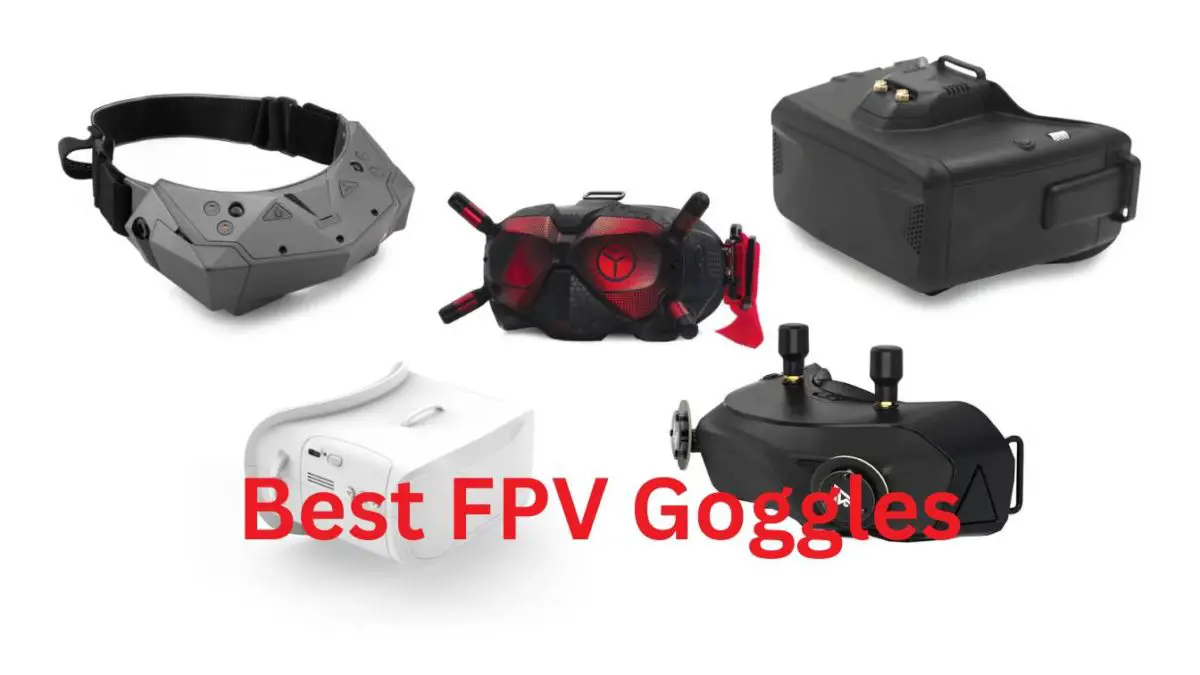
FPV Goggles: If your drone comes with DJI O4, you need DJI goggles. If it’s analog, literally any analog goggles work. Budget $300+ for decent goggles. Check out our curated googles.
Radio Transmitter: BNF drones come receiver-ready, meaning you bind them to whatever radio you already own. Good news: quality radios aren’t that expensive anymore. ExpressLRS 2.4GHz radios start around $80-100.
Batteries & Charger: Your drone probably comes with one battery. Get at least 2-3 more so you can keep flying while charging. A decent multi-charger runs $30-50.
Props & Spares: You will crash. Stock up on propellers, arm replacements, and whatever else breaks first.
Total hidden cost? Budget another $500-800 beyond your drone if you’re starting from scratch. It’s worth every penny. If this is way beyond your budget, take a look at our curated RTF drones.
The Bottom Line: Best FPV Drones for 2026
The best FPV drone is the one you’ll actually fly. If you’re just getting started, don’t overthink it—grab either the Nazgul Eco or the Vapor D5 depending on your budget, and get in the air. Both are proven performers that won’t let you down.
If you want zero friction to entry, the BetaFPV Aquila20 HD kit removes all the guesswork. If you’ve got deeper pockets, the Mark5 O4 Pro is objectively excellent in every way.
Now stop reading and go fly something. Your first crash is waiting, and I promise it’s way more fun than you think.